Faction
Iron Vow
- Name: The Iron Vow
- Alias/Nicknames: The Traditionalists, The Ancestral Smiths, The Unalloyed
- Type: Traditional Dwarven Smithing Guild/Religious Order
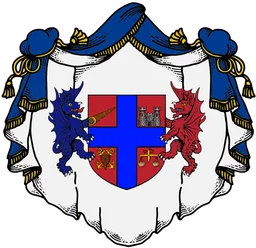
- Symbol/Emblem: A perfectly forged iron hammer striking an anvil, surrounded by seven ancient dwarven runes representing the traditional smithing virtues
- Headquarters/Base of Operations: Stoneforge Hall in the heart of the Icerime Peaks, with smaller chapters in various traditional dwarven settlements
- Scale & Reach: Regional influence throughout dwarven communities in the Icerime Peaks and northern mountain ranges, with representatives in most major dwarven settlements
Purpose & Goals
- Primary Objective: To preserve and protect traditional dwarven smithing techniques and metallurgical knowledge from corruption by outside influences, particularly Numerian technology
- Core Ideology: True craftsmanship comes from honoring ancestral methods; innovation should build upon tradition rather than replace it; technological shortcuts undermine the spiritual connection between smith and metal
- Methods & Operations: Training smiths in traditional techniques, certifying authentic dwarven craftsmanship, opposing technological integration, preserving ancient metallurgical knowledge
- Notable Activities:
- Maintaining the most comprehensive library of traditional dwarven smithing techniques
- Conducting ceremonies to bless forges and newly crafted items
- Certifying smiths who adhere to traditional methods
- Actively opposing the Deepforged Syndicate's technological integration
- Recovering ancient smithing texts and tools from abandoned dwarven settlements
Structure & Leadership
- Leader(s): Grand Smith Thorgrim Ironfist, an elderly dwarf who has spent over two centuries perfecting traditional techniques
- Hierarchy & Ranks:
- The Anvil Council – Seven master smiths who govern the organization
- Forge Masters – Senior smiths who oversee regional chapters
- Journeysmiths – Accomplished crafters who have proven their mastery of traditional methods
- Apprentices – Students learning the ancient ways
- Ore Seekers – Specialists who locate and evaluate traditional ore sources
- Lore Keepers – Scholars who preserve ancient smithing knowledge
- Recruitment & Membership:
- Primarily hereditary, with smithing families dedicating children to the tradition
- Occasional acceptance of outsiders who demonstrate exceptional talent and reverence for tradition
- Rigorous apprenticeship lasting decades before full membership
- Oath-taking ceremony involving the forging of a personal tool using purely traditional methods
- Approximately 500 full members across all chapters
- Key Figures:
- Thorgrim Ironfist – Elderly leader whose works are considered masterpieces of traditional craft
- Brunhild Hammersong – Lore Keeper who has memorized thousands of ancient smithing techniques
- Durin Flamebeard – Fiery orator who leads opposition to the Deepforged Syndicate
- Grimmir Stoneheart – Master weaponsmith whose traditional blades are highly sought after
- Valka Trueforge – Youngest member of the Anvil Council, advocating for cautious adaptation
Influence & Power
- Allies & Affiliations:
- Traditional Dwarven Clans throughout the mountain ranges
- The Temple of Torag – Religious organization dedicated to the dwarven god of the forge
- Conservative Merchant Guilds that specialize in traditional dwarven goods
- Certain elements within House Garess who value traditional crafting methods
- Enemies & Rivalries:
- The Deepforged Syndicate – Their primary antagonist, viewed as corrupting sacred traditions
- Magrum Ironveil – Considered a dangerous innovator leading dwarves astray
- Technic League – Seen as the source of corrupting technological influence
- Progressive Dwarven Factions that embrace change and innovation
- Human Metallurgists attempting to replicate dwarven techniques with shortcuts
- Reputation & Public Perception:
- Respected among traditional dwarves for preserving ancestral knowledge
- Viewed as stubborn traditionalists by progressive dwarven communities
- Known for exceptional quality craftsmanship that commands premium prices
- Considered overly rigid and resistant to beneficial change by outsiders
- Seen as the authentic voice of dwarven crafting tradition by collectors and connoisseurs
- Military/Magical Strength:
- No formal military, but many members are skilled in traditional dwarven combat
- Access to exceptionally crafted traditional weapons and armor
- Some ritual smithing techniques produce items with inherent magical properties
- Strong defensive position in their mountain stronghold
- Network of traditional dwarven warriors who support their cause
History & Lore
- Founding & Origins:
- Established over 500 years ago in response to the first significant wave of outside influence on dwarven smithing
- Founded by seven master smiths who feared traditional knowledge was being diluted
- Originally a loose association that gradually formalized into the current structure
- Named for the oath taken by founding members to preserve traditional methods
- Gained prominence during a period when inferior "dwarven-style" goods flooded markets
- Major Historical Events:
- The Gathering of Masters – Initial meeting that established the organization
- The Great Documentation – Century-long project to record all traditional techniques
- The Purification – Period when non-traditional methods were purged from their practices
- The Forge War – Conflict with the Deepforged Syndicate over metallurgical philosophy
- The Reclamation – Ongoing effort to recover lost techniques from abandoned settlements
- Current Struggles:
- Losing younger members to the allure of technological innovation
- Difficulty maintaining relevance in a rapidly changing world
- Internal debate about how strictly to adhere to ancient methods
- Competition from mass-produced goods that mimic dwarven aesthetics
- Protecting traditional ore sources from exploitation
Culture & Traditions
- Core Values & Ethics:
- Reverence for ancestral techniques and knowledge
- Patience and precision in craftsmanship
- The spiritual connection between smith and material
- Honesty in materials and methods
- Responsibility to preserve knowledge for future generations
- Rituals & Initiations:
- The Forging of the First Tool – Ceremony marking the beginning of apprenticeship
- The Quenching – Ritual bath in sacred waters before advancement to Journeysmith
- The Ancestral Invocation – Prayers to dwarven forebears before beginning significant works
- The Seven Hammers Ceremony – Annual gathering to reaffirm traditional values
- Notable Sayings/Mottos:
- "In the ancient ways, we find true strength"
- "The hammer remembers what the smith forgets"
- "Pure iron, pure purpose, pure craft"
- "Seven strikes for the seven virtues"
- "What is forged in tradition endures through ages"
- Symbols of Authority:
- The Master's Hammer – Symbol of leadership passed to the head of the Anvil Council
- The Seven Rune Bands – Arm rings worn by council members
- The Unbroken Chain – Ceremonial necklace linking current smiths to their ancestors
- The Forge Blessing – Ritual words that only true masters may pronounce
- The Iron Tome – Ancient book containing the organization's founding principles
Additional Notes
Related
- Icerime Peaks Place